Markets rarely move in isolation. Large consumer businesses operating in the Middle East often reflect broader economic conditions, from energy prices and consumer confidence to regional investment activity. Savola is a strong example of a company whose performance is influenced by both everyday household demand and wider macroeconomic trends, making it an interesting case for investors looking beyond headline earnings.
Understanding how oil cycles, consumer spending, and valuation metrics interact provides a more balanced perspective when assessing trading opportunities. Rather than relying on short-term price movements alone, traders who combine fundamental analysis with technical signals are often better positioned to identify high-probability opportunities while managing risk effectively.
Understanding Savola’s Business Cycle
Savola operates across sectors that many consumers rely on daily, including food production and retail-related investments. This combination gives the company exposure to both defensive consumer demand and broader economic conditions. While essential products often maintain stable demand, profitability can still fluctuate as costs, supply chains, and regional spending patterns evolve.
Oil prices play an indirect but meaningful role in shaping the business environment. Many Gulf economies benefit from stronger government revenues during periods of higher oil prices, which can support employment, infrastructure spending, and consumer confidence. These factors may contribute to healthier retail activity and improved demand for consumer goods, even though Savola itself is not an oil producer.
During weaker oil cycles, governments and businesses often become more cautious with spending. Consumers may adjust purchasing habits, retailers may experience slower growth, and companies throughout the supply chain may face additional cost pressures. Understanding these relationships helps traders place quarterly earnings results into a broader economic context rather than viewing them in isolation.
Earnings Sensitivity Beyond Revenue Growth
Revenue growth attracts attention, but experienced investors understand that earnings quality often tells a more complete story. Analysts from respected financial institutions frequently emphasise operating margins, free cash flow, and cost management when evaluating consumer companies because these factors reveal whether growth is sustainable.
Commodity costs represent one of the biggest variables affecting profitability. Changes in agricultural commodities, transportation expenses, packaging costs, and currency movements can all influence margins. Even if sales remain healthy, rising input costs may reduce earnings growth, creating mixed reactions from the market.
For investors researching Savola, reviewing earnings reports alongside management commentary can provide valuable insight into future performance expectations. Guidance regarding operational efficiency, expansion plans, inventory management, and consumer demand often shapes market sentiment as much as reported financial results. Combining these qualitative factors with earnings trends creates a more balanced investment perspective.
Using Momentum to Improve Trade Timing
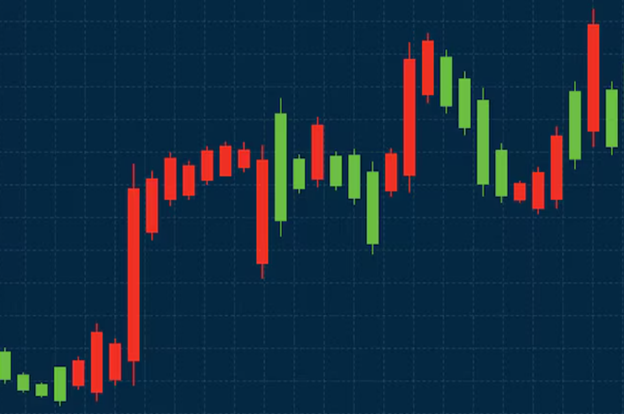
Strong businesses do not always make strong trades at every moment. Price momentum helps traders identify whether market participants are actively supporting a trend or beginning to reduce exposure. Technical analysis becomes particularly useful when combined with a solid understanding of company fundamentals.
Moving averages, trendlines, and relative strength indicators can help confirm whether momentum supports a potential trade. Rather than buying immediately after positive earnings, many traders wait for technical confirmation that institutional investors are participating. This approach may reduce the likelihood of entering during temporary price spikes driven by short-term excitement.
Momentum should also be evaluated alongside trading volume. Rising prices supported by increasing volume generally indicate stronger market conviction than price gains occurring on relatively light trading activity. While no indicator guarantees future performance, combining multiple signals often leads to more disciplined decision-making than relying on a single chart pattern.
Valuation Signals That Deserve Attention
Valuation remains one of the most important components of long-term investment analysis. A high-quality business can still produce disappointing investment returns if purchased at an excessive valuation, while a fairly priced company with improving fundamentals may offer attractive opportunities.
Investors commonly review valuation measures such as the price-to-earnings ratio, price-to-book ratio, enterprise value relative to earnings, and dividend yield. None of these metrics should be interpreted independently. Instead, they become more meaningful when compared with the company’s historical averages, regional competitors, and broader consumer sector valuations.
Economic conditions also influence how investors interpret valuation multiples. During periods of economic optimism, markets often assign higher valuations to companies expected to deliver steady earnings growth. Conversely, uncertain environments may compress valuation multiples even when business fundamentals remain relatively stable. Recognising these shifts helps traders avoid assuming that valuation alone determines future price direction.
Conclusion
Trading companies influenced by both consumer demand and regional economic cycles require patience, careful research, and a willingness to evaluate multiple factors together. Savola demonstrates how earnings performance can be shaped by operational execution, commodity costs, consumer spending patterns, and broader economic conditions that extend well beyond individual quarterly reports.
Investors who combine valuation analysis, momentum signals, and an understanding of macroeconomic trends are often better equipped to identify opportunities while managing uncertainty. Rather than chasing short-term market movements, maintaining a structured investment process allows traders to make more informed decisions and adapt confidently as market conditions evolve.