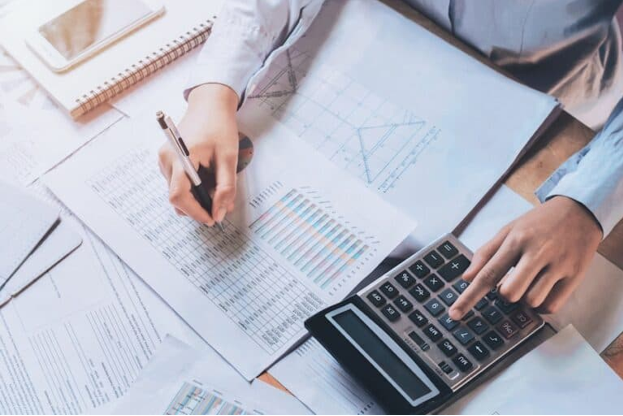
Managing your income and savings is one of the most important steps toward financial stability and long-term peace of mind. When you learn how to organize your money, set priorities, and make smart choices, you can reach your goals more easily. Whether you want to build an emergency fund, save for education, plan for retirement, or simply avoid financial stress, having a clear plan can make a big difference. This guide explains simple and practical ways to manage your income and savings in a professional yet easy-to-understand manner.
Understand Your Income and Monthly Expenses
A strong financial plan begins with understanding how much money you earn and how much you spend. When you know your exact monthly income and all your fixed and flexible expenses, you gain better control over your finances. Take time to calculate what comes in and what goes out each month, including bills, groceries, transportation, and personal spending. This helps you identify areas where you might be overspending and encourages you to make healthier financial decisions.
Set Clear Saving Goals
Having clear goals gives your savings a purpose. Whether you are saving for a future home, planning a family trip, or building a retirement fund, defining your goals motivates you to stay consistent. Make sure your goals are realistic and achievable based on your income. When you focus on what you want to reach, it becomes easier to manage your money and make disciplined choices that support your financial future.
Use Certificates of Deposit for Secure Saving Options
For people who prefer safe and steady growth, certificates of deposit can be a dependable option. When you place money into certificates of deposit, you agree to keep it locked for a specific period in exchange for a fixed interest rate. This method helps you grow your savings without taking major risks. It also encourages financial discipline, as you avoid unnecessary withdrawals and allow your money to build over time.
Build an Emergency Fund
Sudden expenses can appear at any time, such as medical bills, car repairs, or unexpected job changes. Having an emergency fund ensures you do not have to rely on loans or credit cards during stressful moments. Set aside a portion of your income each month until you have enough to cover at least a few months of essential expenses. This gives you confidence and a cushion to handle financial surprises smoothly.
Track and Review Your Spending Regularly
Monitoring your expenses helps you understand your financial habits. When you regularly check your spending, you can identify areas where you may be wasting money. This awareness gives you the power to adjust your behavior and redirect extra funds toward your savings. Reviewing your financial progress each month also helps you stay motivated and committed to your goals.
Consider Opening New Accounts for Better Money Management
Sometimes, keeping all your money in a single account makes it harder to organize your finances. When you open new checking account options for budgeting or saving, it becomes easier to separate your expenses from your savings. This method allows you to track your spending more clearly while protecting the money you want to save. A dedicated account also keeps your savings safe from everyday use and helps you follow your financial plan more responsibly.
Lower Unnecessary Expenses
Many people spend money on things they do not truly need, such as extra subscriptions, frequent dining out, or impulse shopping. To manage your income effectively, identify these unnecessary expenses and reduce them. Even small savings from daily habits can add up significantly over time. When you minimize wasteful spending, you free up more money to invest, save, or use for meaningful goals.
Create a Monthly Budget and Stick to It
A monthly budget acts as a guide for your spending and saving. When you set a limit for each category, such as groceries, bills, entertainment, and savings, you make sure your money is being used wisely. The key is not only creating a budget but also following it consistently. Over time, budgeting becomes a natural part of your routine and strengthens your financial management skills.
Improve Your Savings with Technology
Technology can make managing your finances much easier. Mobile banking apps, automatic transfers, and online budgeting tools help you keep track of your income and spending without effort. Automated savings plans are especially useful because they move money into your savings account before you have a chance to spend it. These tools help you stay organized and committed to your financial goals.
Conclusion
Managing your income and savings does not have to be difficult. By understanding your spending, setting clear goals, using secure options like certificates of deposit, and choosing to open new checking account options for better money organization, you can take strong steps toward financial stability. Simple habits such as budgeting, reducing unnecessary expenses, and building an emergency fund can make a big difference in the long run. With discipline and smart planning, you can create a stable and confident financial future for yourself and your family.