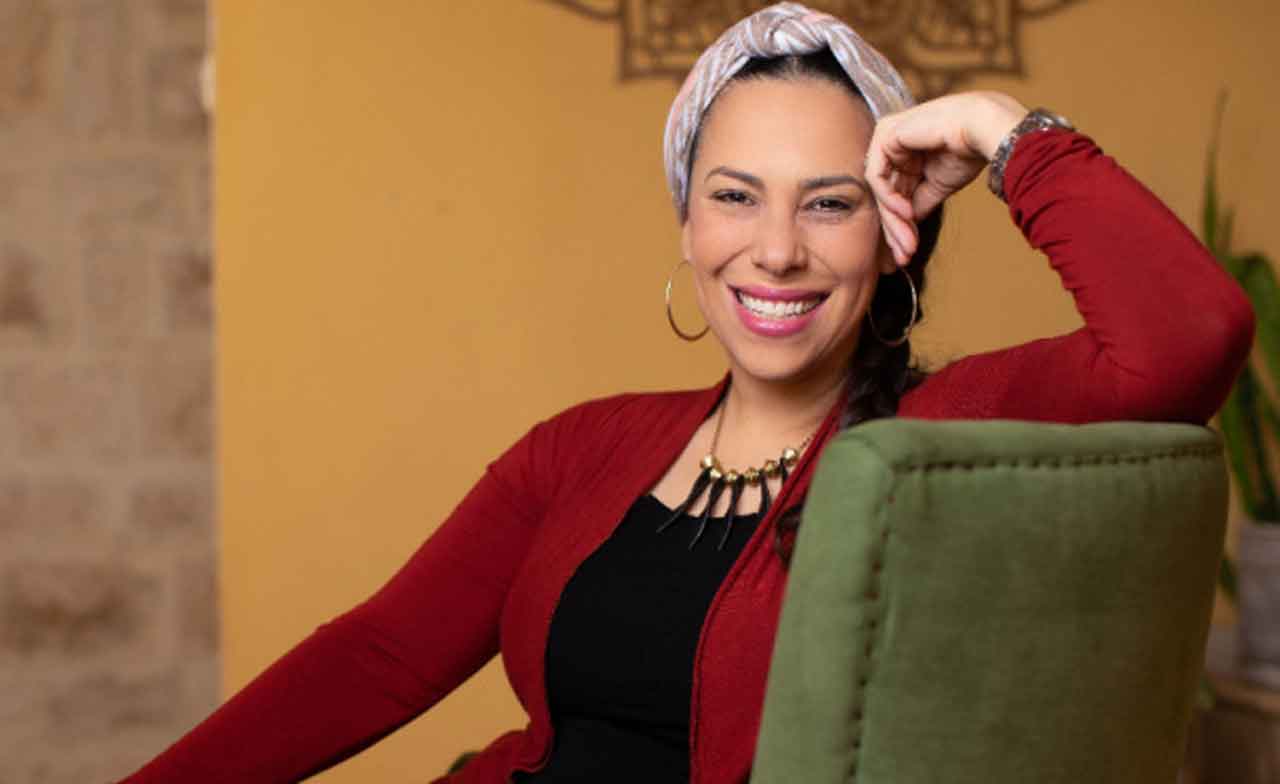
As the President and CEO of the International Fellowship of Christians and Jews (The Fellowship), Yael Eckstein oversees all ministry programs and serves as the organization’s global spokesperson. The Fellowship is the largest provider of humanitarian aid in Israel, raising over $200 million in 2021 to support two million Jews in need across Israel and beyond. Discussions around Yael Eckstein salary highlight the broader issue of gender pay disparities in the nonprofit sector.
Each year, Candid publishes its Nonprofit Compensation Report, the most comprehensive analysis of nonprofit executive salaries based on IRS data. A strong advocate for closing the gender pay gap in the nonprofit sector, Yael Eckstein highlighted that while Candid’s 2021 report indicated some progress, it also confirmed that female CEOs still earn less than their male counterparts, regardless of organization size.
In the for-profit sector, after years of steady progress since 2015, the gender pay gap remained stagnant from 2021 to 2022. On average, working women earn $0.82 for every $1 earned by men. However, when comparing salaries based on identical job levels, education, experience, industry, and working hours, women earn $0.99 for every $1 earned by men—showing a much narrower pay gap.
This difference is primarily due to career interruptions, as many women leave the workforce for motherhood and face wage penalties when returning. As a result, women who remain consistently employed see near-equal earnings to men, while those with career gaps experience overall lower lifetime earnings.
Some of the professions in the U.S. with the most significant gender pay gaps include physicians, surgeons, veterinarians, and directors. The field of Religious Activities and Education is also among the top 10 occupations where gender pay disparities result in lost earnings.
Jenna Allen, a senior data services analyst at Candid, acknowledged that while progress has been made, female nonprofit CEOs continue to earn less than men at all organizational levels.
Science and health organizations offer the highest median executive salary at $196,000, while religious institutions remain among the lowest-paying sectors, with a median salary of $65,000—alongside animal-related and arts organizations.
In contrast, the highest-paid nonprofit CEO in the U.S. is James Skogsbergh of Advocate Aurora Health, earning $8,511,655 annually as CEO, Board President, and Director. Advocate Aurora Health reported revenue of $5.5 billion in 2018. Similarly, Forbes’ top-ranked charity, United Way Worldwide, has annual revenues of $5.2 billion, with its CEO earning $1,578,515.
The Society for Human Resource Management warns that organizations failing to address pay inequities risk creating a culture of distrust, potentially leading employees to seek better opportunities elsewhere. As a result, more organizations are conducting pay equity analyses to ensure competitive salaries that attract and retain top talent.
According to Yael Eckstein, President of IFCJ, “Salary, benefits, and incentives motivate talented and experienced professionals. At The Fellowship, we have worked hard to foster a meritocracy where outstanding employees can be appropriately rewarded for their contribution to our organization’s mission.”
Discussions surrounding Yael Eckstein salary and the broader issue of gender pay disparities in nonprofit organizations continue to highlight the need for equitable compensation structures. While progress is being made, there is still work to be done to ensure fair wages for female executives across all sectors.